By clicking “Accept All Cookies”, you agree to the storing of cookies on your device to enhance site navigation, analyze site usage, and assist in our marketing efforts. View our Privacy Policy for more information.
Sugar Slayer Challenge - Week 1
Welcome to Week 1 of the Sugar Slayer Challenge!
By
April 8, 2025

Related

Welcome to the Sugar Slayer Challenge at Aevitas Fitness! During this challenge, we will tackle added sugar and create sustainable habits allowing us to live a healthier, lower-sugar life for good!
Why Focus on Sugar?
Sugar is both the “simplest” and the most difficult thing to remove from our diets! It’s simple to remove because added sugar is literally “empty calories” - meaning added sugar does not supply you with any vital nutrients that whole foods can’t. You can eliminate all added sugar from your diet and be perfectly healthy, not requiring any supplementation to get your macro and micronutrient needs!
However, sugar is hard to give up! Our bodies crave sugar/sweetened things, and once we get hooked, it’s very difficult to get unhooked! That’s why doing this as a challenge with some accountability and group camaraderie is so helpful!
Sugar in the Body
All carbohydrates are broken down into sugars in the body, mainly glucose and fructose. When glucose enters the body, our blood glucose levels rise, signaling the pancreas to release insulin. Insulin helps cells to take up the glucose from the bloodstream, to be used for energy. Excess glucose also gets stored, either in muscle cells or fat tissue. Fructose is similarly digested by the liver. The liver converts fructose to glucose for energy use or fat for storage.
Additionally, the intake of sugar signals the reward cycle in our brains! When we eat sweetened foods, our brain says, “give me more!” with a dopamine hit. While that’s great for in-the-moment feelings of contentment, this feedback is why sugary foods are so difficult to remove from our diets.

When we over-consume sugar, several things happen:
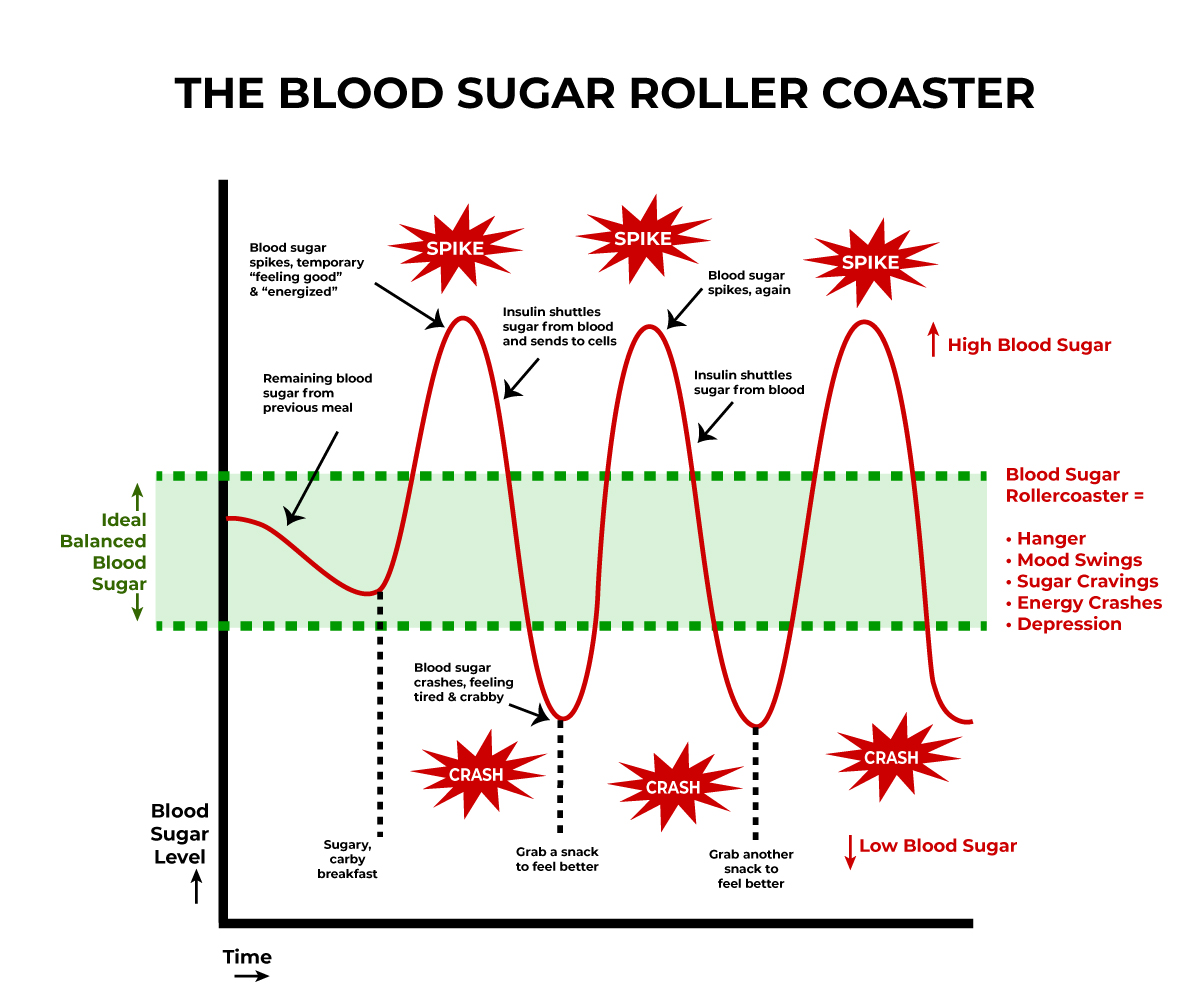
In the very short term, excessive sugar causes energy spikes and crashes, as the insulin response is being overworked. A large dose of sugar → large blood sugar spike → aggressive insulin release → blood sugar crash. This constant cycle can cause unreliable energy throughout the day, and also affects our sleep and our body’s ability to recover from strain.
Excessive sugar intake can cause baseline inflammation in the body, and can lead to other mid-term health consequences, such as tooth decay and premature skin aging. Health conditions exacerbated by inflammation can worsen with excessive sugar intake.
Finally, excessive sugar intake is consequential long-term, as it is a main contributor in sevaral chronic diseases, including Insulin Resistance and Type II Diabetes, Heart Disease, and even Alzheimer’s Disease
How Much Sugar is Too Much?
Honestly, the optimal goal we should be reaching for is zero grams of added sugar. However, when that’s not reasonable, we should be trying to reduce sugar consumption as much as possible.
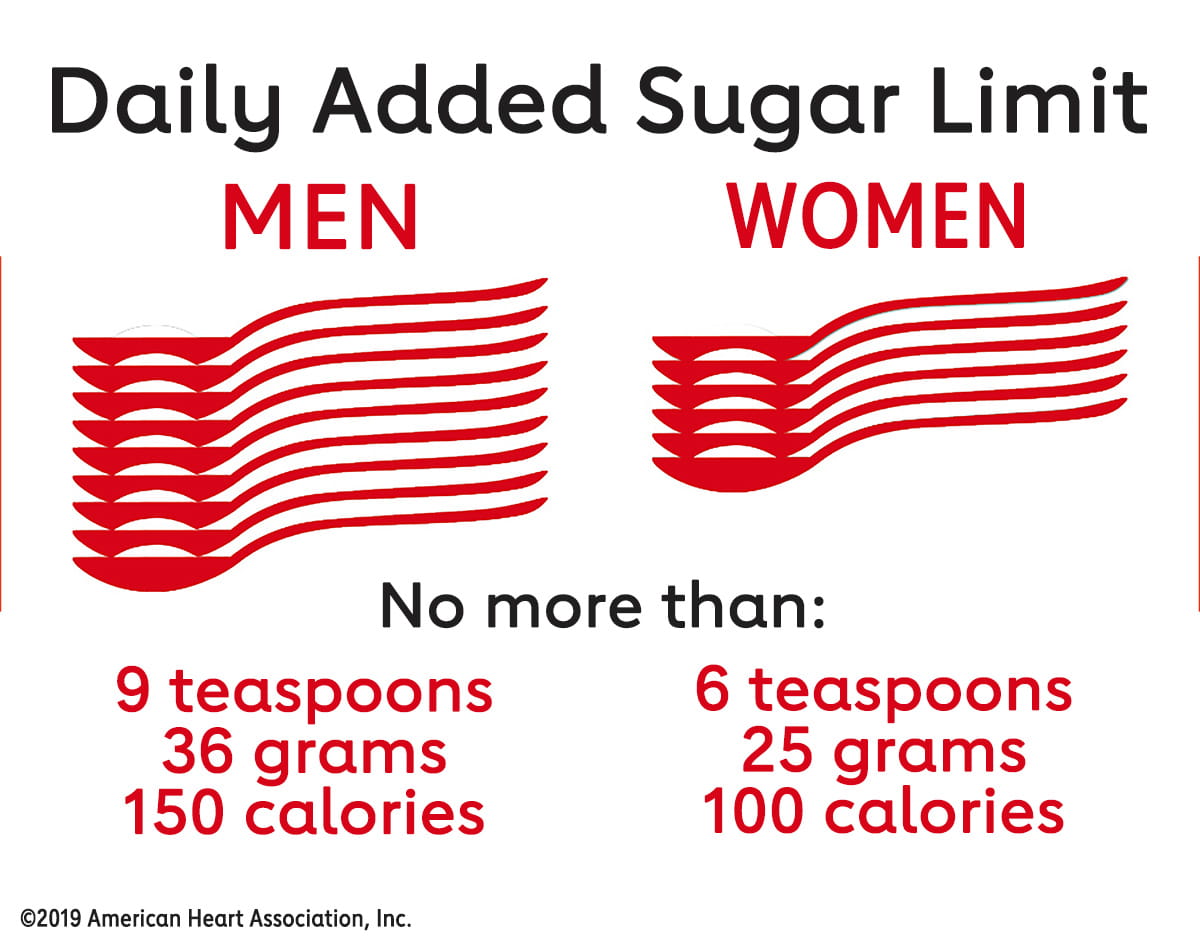
According to the American Heart Association, there are recommended limits for added sugar intake, shown graphically below. These limits should be viewed as the maximum case, as they relate to the risk of developing heart disease, not necessarily optimal health and performance.
Sneaky Sugars and How to Spot Them
Added sugars can be found in unexpected places like flavored dairy products, breakfast foods, condiments, and even crackers and breads. Once you start looking, you’ll start seeing them everywhere!
So, how to spot them? First, read the nutrition labels on your packaged foods. Every US food label is required to list “Added Sugars” right below Total Carbohydrates. This is a good start, but it won’t get you as far as you need to go.
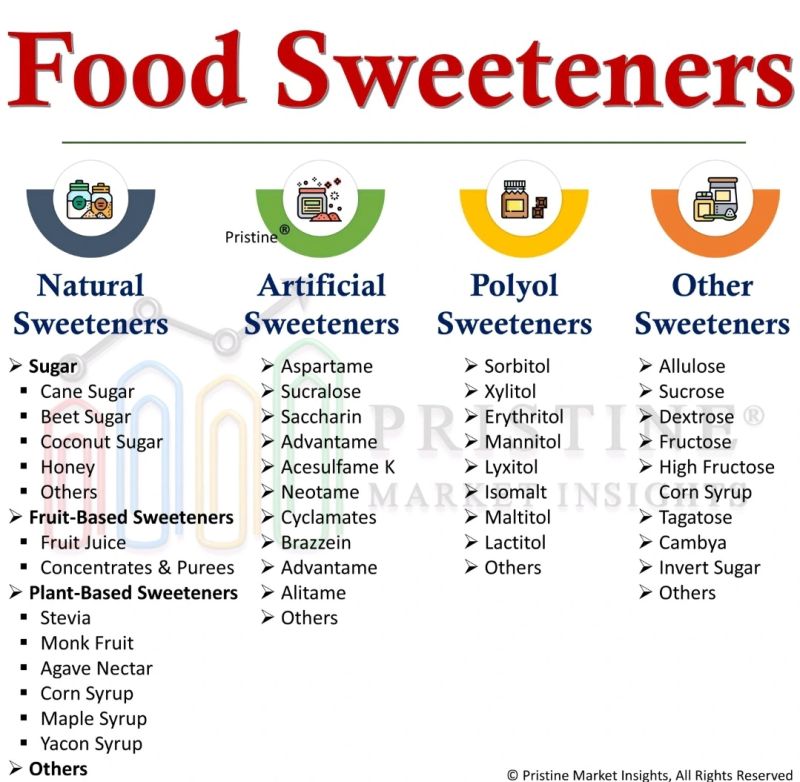
The next step is to look at the ingredients themselves, which can be tricky! Below is a list of all types of sweeteners for reference. Anything labeled “syrup”, or ending in “-ose” is a good place to start, but also look for the “natural” and “zero calorie” sweeteners!
A Note on “Natural Sweeteners”
You might be wondering if “sugar-free” foods are part of this challenge - yes, they absolutely are! Why? Because any sweetener of any kind will cause you to experience the taste of “sweet”. And when the brain tastes sweet, it wants more! In order to truly kick our sugar habit for good, we need to go further than sugar itself. We need to remove (or reduce) any food that has added sweetness, allowing our brains to reset for good!
This Week's Assignment - Identify and Manage!
We’re kicking this challenge off by identifying added sugars in daily meals. For instance, a typical day might include packaged oatmeal, yogurt, a salad with dressing, and a burger with fries and ketchup, totaling 30-50g of added sugar(!)
We need to know where we’re starting before we know where we’re going. So step one this week is to simply track and identify all of the sweetened items we are eating on a regular basis.
Once those foods are identified, YOU get to determine what to do about them! You can choose to swap a certain food item with a more natural and lower-sugar alternative (like swapping sweetened yogurt for plain). You may decide that you don’t need that food at all, and choose to eliminate it entirely. Or, you might choose a middle-ground of reducing your consumption of that food (using 1 Tbs of salad dressing instead of 2, for instance)
Week 1 Assignment:
- Identify: Track your food intake for at least 2 days and pinpoint the top three to five sources of added sugars.
- Manage: Decide on strategies to reduce or eliminate these sugars. Swap processed foods for whole foods, reduce portions, and/or eliminate sugar-heavy foods entirely.
- Submit: Use the Week 1 form HERE to submit this assignment! Assignments are due on Sunday :)
Here we go, team! Let's slay those sugars together!







%20(3).png)
%20(2).png)



.png)












%20(1).png)

.png)